
 Events, workshops, & labs join the
AI is everywhere, but emotional intelligence is the real leadership advantage in 2026. Learn why human-centric leadership will define high-performing teams.
December 8, 2025
Reading time: 3 min
December 8, 2025
Reading time: 3 min
Most companies are using similar AI tools, the same models, the same automation platforms. OpenAI models, Copilots, Perplexity… The technology gap is shrinking fast.
In 2025, everyone tried to automate everything. Meetings. Reports. Emails. Even parts of people management.
But team efficiency, mood, spirit…That’s the one thing nobody can replicate.
AI helped with tasks. But leaders forgot about people.
In 2026, we should focus on what cannot be automated, like doing the Human Reset.
Microsoft’s annual Work Trend Index shows:
- Employees in 2026 choose workplaces based on their emotional experience, not salary or brand.
- 48% say they would leave a role if leadership feels “emotionally unavailable.”
- Teams with strong human-centric leadership outperform others by up to 27% in productivity and 34% in retention.
And this makes 2026 the perfect moment to redesign the way you lead.
Why Human-Centric Leadership is Becoming a Survival Skill in 2026
Human-centric leadership is not about being endlessly positive or “nice.” It’s about structure, fairness, transparency, and emotional intelligence—even in tough moments.
It looks like this:
- Listen before you judge.
- Explain the “why” behind decisions—not because you owe it, but because clarity lowers fear.
- Personalize growth instead of using templates.
- Lead with honesty, not perfection.
It’s not soft. It’s not fluffy. It’s strategic. And it’s becoming a leadership survival skill.
Your communication.
- How safe does your team feel?
- How listened-to are they?
- How are decisions made?
AI Will Give You the Signals — But Only Human Leaders Can Respond
The future belongs to leaders who can combine AI’s power with human judgment.”
Satya Nadella
By late 2026, most companies will rely on AI systems to track:
- communication patterns
- burnout risk
- team sentiment
- meeting overload
- collaboration bottlenecks
GitLab, Microsoft, HubSpot, and Shopify already do. By late 2026, this will be normal.
But here’s the catch:
AI will give you the signals. Only a strong leader can fix it.
This split will define leadership next year.
AI can tell you:
“Your team is stressed. Your deadlines are unrealistic.”
But only you can sit down with people, have the real talk, and change the plan.
AI can map workload.
But it can’t create trust.
AI can summarise a conflict.
But it can’t resolve it.
AI can list issues.
But it can’t make people feel safe.
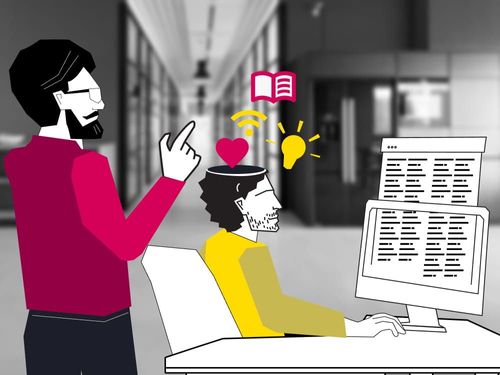
2026 requires hybrid intelligence: machines for insight, humans for impact.
Why 1:1 Meetings Will be Transformed Completely in 2026
In 2025, most 1:1s looked like this:
“What are you working on?”
“What’s blocked?”
“Okay, see you next week.”
By 2026, that format will be dead.
Teams don’t need leaders to check project status—AI now does that automatically.
The new 1:1 format will be:
- 20% project
- 30% energy & emotional state
- 30% personal growth
- 20% future potential & opportunities
The best leaders will use 1:1s to renegotiate psychological safety, not for micromanaging tasks.
5 Leadership Habits to Leave Behind in 2025
1. Performance reviews based on memory. AI already summarizes a year’s worth of work better than any manager.
2. Pretending to be “always fine.” Teams don’t trust that version of you anymore. Authenticity is the new credibility.
3. Over-optimistic roadmaps. People want realism. Optimism doesn’t retain teams—clarity does.
4. Culture built on perks. Employees don’t want a ping-pong table.
They want a safe, fair, human environment.
5. Relying on charisma.
2026 belongs to leaders who listen, not leaders who perform.
So here’s the real question for you: What Kind of Leader Will You Be in 2026?
Here’s what you should be asking yourself — and your leadership team:
If AI removes 40% of your operational workload, how will you use the time you get back?
Are you building a workplace where people feel seen — or just supervised?
If every company can match your technology, what will make your people choose to stay?
Are your 1:1s building trust — or draining it?
In a world where AI can do almost everything, what part of leadership is left that only you can offer?
Your answers will define the workplace you create in 2026.