
 Events, workshops, & labs join the
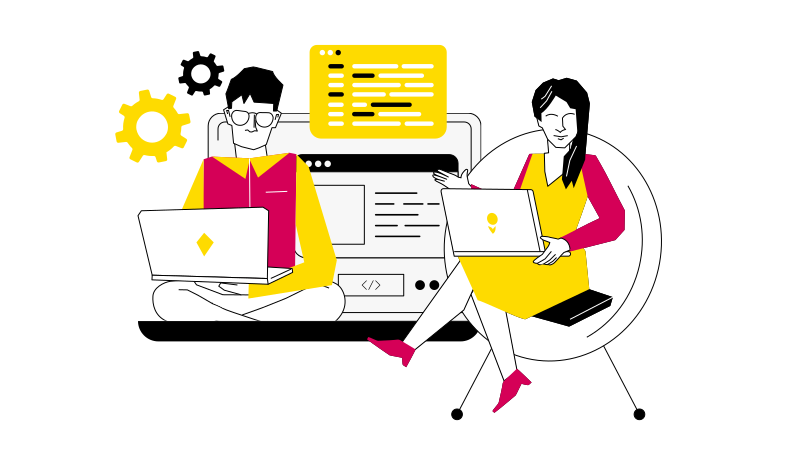
Vibe coding is an informal term for AI-assisted coding, where developers guide software development using prompts and AI tools that generate code. Engineers then review, refine, and integrate the generated code into the system architecture.
March 8, 2026
Reading time: 5 min
March 8, 2026
Reading time: 5 min
Some engineers call it AI Assisted coding, others vibe coding. The term may sound playful, but the shift behind it is very real. A developer opens Cursor, writes a rough prompt, and twenty seconds later, a working component appears on the screen.
As a CEO, I’ve worked with engineering teams long before AI tools, during the early automation wave, and now in the AI era, when models can generate entire components in seconds. Today, tools like GitHub Copilot, ChatGPT, Cursor, and Claude can generate entire functions—or even full modules—in seconds.
And what we see today inside teams is not simply “faster coding.” It’s a different rhythm of building software. And that affects both the team and the product.
What Is Vibe Coding and What Does It Actually Mean?
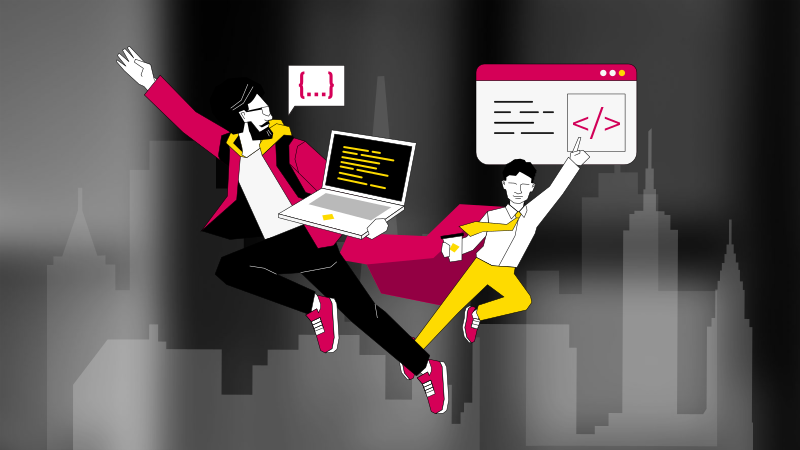
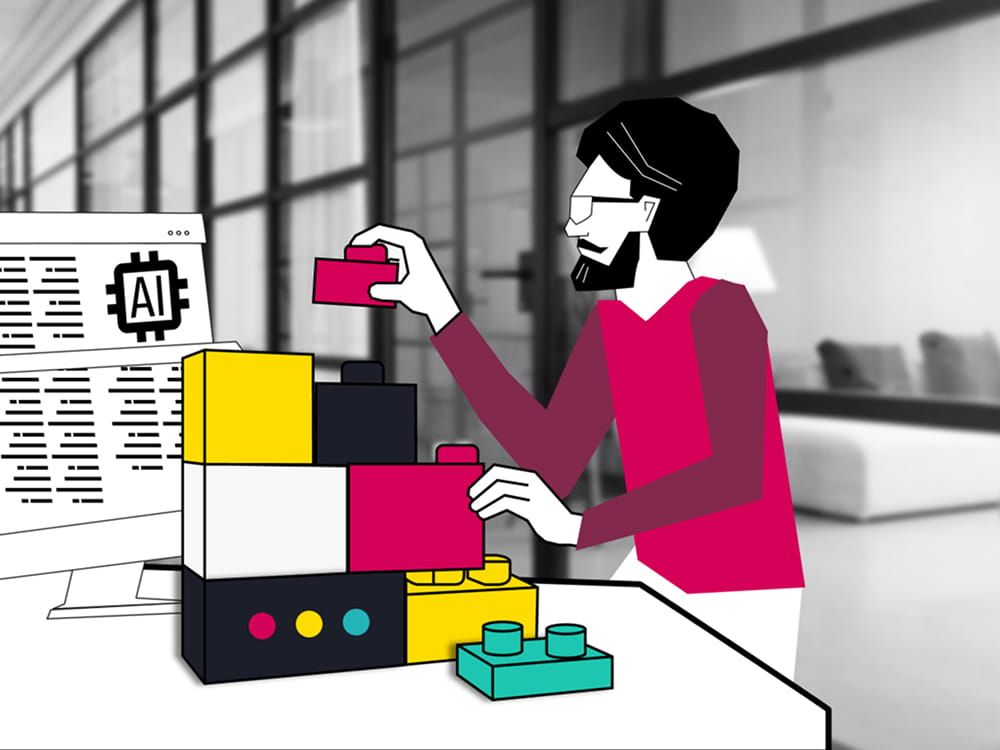
At its core, vibe coding is AI-assisted development guided by developer intent. AI generates the first version. The developer reshapes it into something real.
Instead of writing every line manually, engineers guide the system. Then the developer reviews, edits, and integrates the code into the system.
The workflow often looks like this:
- Describe the feature or function
- AI generates a code draft
- Developer reviews and adjusts
- Code integrates into the system architecture
This loop—describe → generate → refine—is becoming a new development rhythm of software development.
Sometimes the code is surprisingly good. Sometimes it’s a mess. But one thing is undeniable: the iteration cycle becomes dramatically shorter.
At Smartexe, we’ve seen developers generate working prototypes in 20–30 minutes that previously required several hours of manual work. The energy in those moments feels different. Teams experiment more. Ideas move faster.
That speed feels intoxicating. It changes the mood inside a team. Suddenly, people experiment more freely. Ideas move faster.
But speed alone doesn’t create good software.
And that’s where things become interesting.
How AI-Assisted Coding Changes Engineering Teams
From the outside, AI assisted coding tools appear to be pure productivity boosters. However, within engineering teams, the change is even more significant. Developers may write fewer lines of code, but they spend more time thinking about systems.
Instead of focusing on syntax and implementation details, engineers increasingly focus on:
- architecture design
- system behavior
- integration logic
- edge cases
- long-term maintainability
AI is very good at producing local solutions — a function, an endpoint, a refactor.
But software systems are not just local pieces of code. They are living structures with rules, patterns, and long-term consequences.
The AI doesn’t understand those systems.
The engineers do.
Or at least, they’re supposed to.
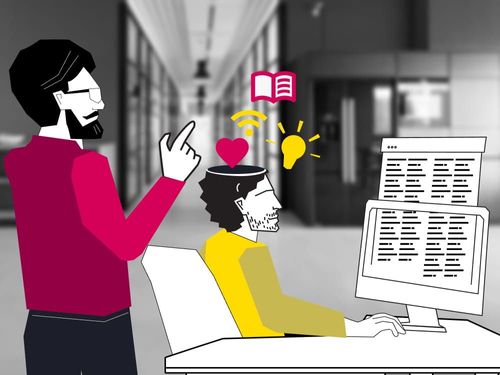
Why Senior Engineers Become Even More Important
One of the biggest misconceptions around AI coding tools is that they reduce the need for experienced developers. The practice at Smartexe organic teams shows the opposite:
AI doesn’t remove the need for senior engineers. It makes them even more critical.
AI tools excel at solving local problems:
- writing a function
- generating an endpoint
- refactoring a component
But software is not just local code. It’s a system with rules, patterns, and long-term consequences.
Without strong technical leadership, AI-generated code can slowly pull a codebase in ten different directions. Senior engineers provide the gravity that keeps the system coherent.
The Hidden Shift in Code Reviews
Reviewing it requires a slightly different mindset. Traditional reviews focus on syntax, logic correctness, and style consistency.
With AI-assisted coding, reviewers increasingly ask deeper questions:
- Does this follow our architecture patterns?
- Are hidden dependencies introduced?
- Is this maintainable six months from now?
- Does this introduce security risks?
Code reviews become less about correcting syntax and more about protecting system integrity.
How AI Changes Product Development Speed
The impact of AI coding tools isn’t limited to engineering teams. Product development changes, too.
In the past, testing a new product idea could take an entire sprint. Now teams can sometimes prototype concepts within hours.
That’s a huge shift for product teams. It means the product team can:
- Validate ideas earlier.
- Discard weak concepts earlier.
- Experiment more frequently.
- Accelerate product discovery cycles.
At Smartexe, I’ve seen product leads experiment with AI tools themselves — building small internal prototypes before bringing the idea to engineering.
This approach doesn’t replace developers. But it changes how ideas evolve. Instead of long planning cycles followed by implementation, teams can explore ideas earlier and refine them with real artifacts.
The distance between idea and experiment gets much smaller.
The Risks of AI-Generated Code
Of course, the story isn’t all positive. Every powerful tool introduces new failure modes.
And AI-assisted coding is no exception.
1. The Illusion of Understanding
AI can generate working code even when the developer doesn’t fully understand it. That’s dangerous.
Because when the system breaks — and eventually something always breaks — debugging becomes painful and time-consuming.
In our organic teams, the rule is simple: If you can’t explain the code, you shouldn’t merge it.
Security risks
AI models sometimes reproduce insecure patterns from public repositories. That means they can reproduce insecure patterns such as:
- weak authentication flows
- outdated dependencies
- unsafe input validation
- insecure API handling
Without good review processes, those risks can slip into production. That’s why DevSecOps practices become even more important in AI-heavy teams.
2. Architecture drift
Perhaps the biggest long-term risk is architectural drift. AI solves problems one prompt at a time. But good software systems require consistent design decisions over the years.
If every developer generates code independently, the architecture can slowly lose coherence.
That’s why technical leadership matters more than ever in AI-assisted development teams.
When AI-Assisted Coding Works Best
In practice, AI coding tools shine in specific situations. Based on real Smartexe experience, vibe coding is extremely effective for:
- early product discovery
- internal developer tools
- rapid prototyping
- automation scripts
- experimental product features
In these cases, speed matters the most, and AI dramatically accelerates iteration cycles.
Where Teams Should Be More Careful
In high-risk environments, teams should apply stronger controls.
Examples include:
- fintech platforms
- healthcare systems
- security software
- payment platforms
- regulated industries
In those environments, every line of code carries risk. AI can still help, but organizations need stronger governance, testing, and review processes.
AI-assisted coding is not replacing developers. It’s exposing what kind of developers — and what kind of teams — can hold complexity together when the speed suddenly jumps.
The teams that benefit most are not the ones generating the most code. They’re the ones with enough technical maturity to know what should never be generated blindly.
That’s the real shift.
The bottleneck is no longer “Can we build this?” More often, it’s “Do we understand what we’re building well enough to let AI touch it?”
What has AI coding changed more in your team — speed, code reviews, or the way engineers think?